Barcelona & Madrid

Biotechnology & Life Sciences

We advise biotechnology, medical technology and life sciences companies on what this sector demands all at once: heavy administrative regulation, intellectual property that is the core of the business, and corporate transactions that move faster than the rules comfortably allow. We work particularly with companies from Germany, Austria and Switzerland entering the Spanish market.
What we do

Some sectors ask more of their advisers.

Medical technology, clinical research, regulated devices. Where the rules of the industry decide the answer, knowing the law is not enough.

Patents and know-how

Filing, defending and structuring ownership of life sciences IP.*

Health authorisations

Licences, registrations and notifications before the AEMPS and the regional authorities.

R&D and technology transfer agreements

Research collaborations and licensing with universities and research centres.

Regulatory compliance programmes

For clinical trials and medical devices.


Sector due diligence in transactions

Where the regulatory and IP position is most of the value.

Data protection in clinical research

Including secondary use of health data.*

*  With our network of specialist partner firms.

Representative work

What we have done in this sector.

Clients in this sector
Frequently asked

Questions from companies entering the Spanish healthcare market.

What does a company need to place medical devices on the Spanish market?
The device must carry CE marking under the EU Medical Device Regulation (2017/745). In addition, manufacturers and importers established in Spain need a prior operating licence from the Spanish medicines agency (AEMPS), and distributors must notify their activity to the region where they have their registered office or warehouse. For devices certified under the old directives, the transition period runs to 31 December 2027 or 2028 depending on the class, provided the manufacturer meets the conditions set in 2023.
Legal basis: Regulation (EU) 2017/745 (MDR); arts. 7 ff. Royal Decree 192/2023; Regulation (EU) 2023/607.


The application is filed through the EU Clinical Trials Information System (CTIS) under Regulation 536/2014, and in Spain it requires authorisation from the AEMPS and a favourable opinion from a single research ethics committee (CEIm). The sponsor must take out insurance covering harm to participants, except in low-intervention trials already covered by existing professional liability insurance. Since 31 January 2025, all ongoing trials are handled through CTIS.

Legal basis: Regulation (EU) 536/2014; Royal Decree 1090/2015, art. 9.

Yes, under conditions. Spanish law allows pseudonymised data to be reused for health research if the research team has no access to the information that would re-identify patients, commits not to attempt it, and has a prior favourable report from a research ethics committee. From 2029, the European Health Data Space will add an EU-wide route to access health data for research.

Legal basis: Additional Provision 17.2(d) Organic Law 3/2018 (LOPDGDD); Regulation (EU) 2025/327, art. 105.

The employer, if the employment contract has research as its purpose: the Spanish Patents Act assigns inventions made in that context to the company. The researcher is only entitled to extra pay if their personal contribution and the invention’s importance clearly exceed what the contract covers. Universities and public research centres follow their own rules, so ownership should be agreed in the collaboration agreement before work starts.

Legal basis: Arts. 15, 17 and 21 Patents Act 24/2015.

Setting up a life sciences operation in Spain?

Book a no-obligation first call. We’ll tell you plainly what it takes: time, cost and next steps.


Sector lead

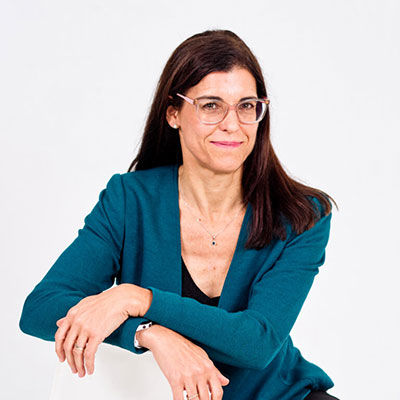
Nathalie Kühlmann, LIC. IUR.

Partner I Abogada I lic. Iur.
Leads our work in this sector.